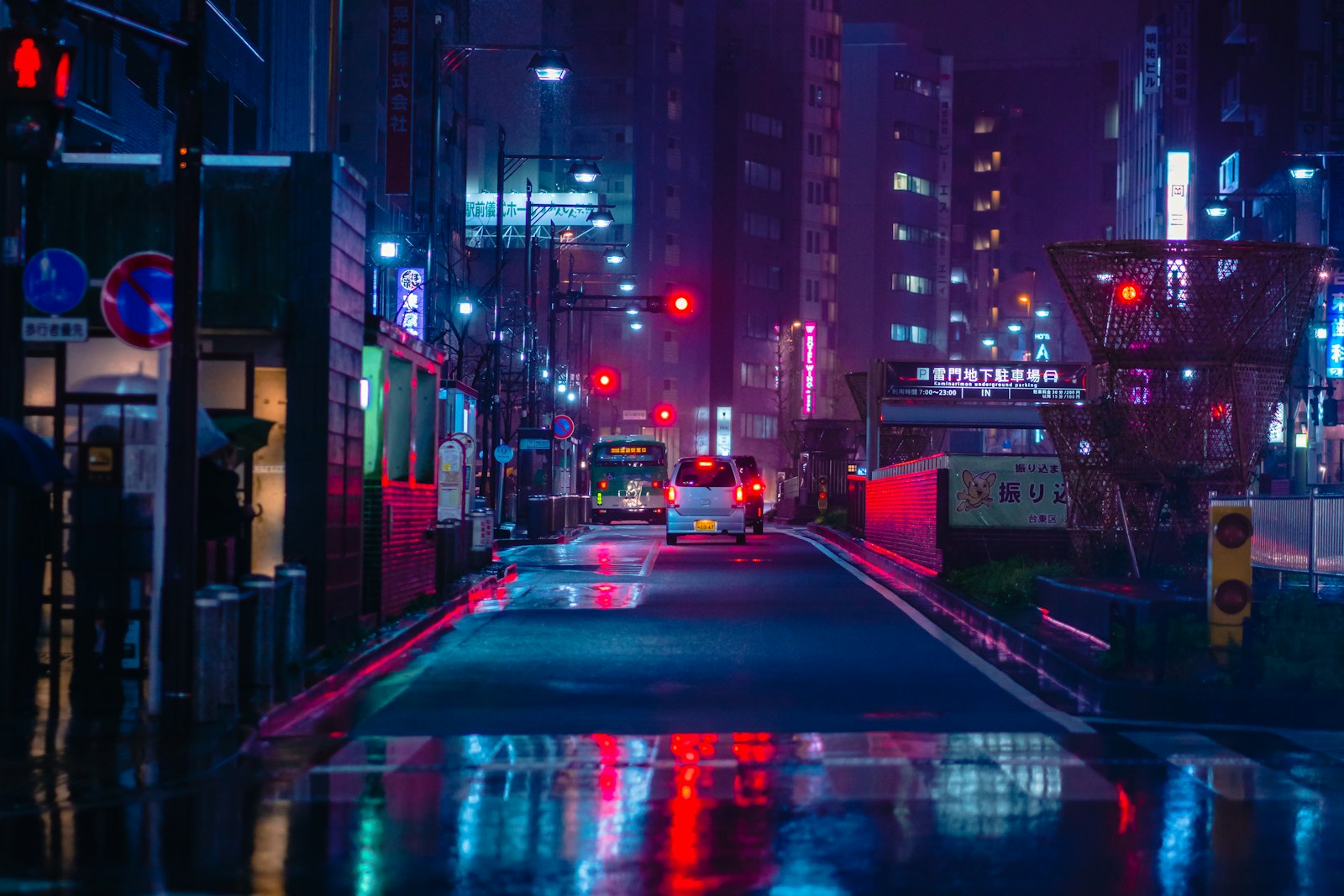
 Cost Guides
South Korea Family Trip Cost: ~AU$11,000 for 4
South Korea is the trip Australian families keep talking themselves out of. The flights seem long, the reputation is "adults only" because of the K-pop tourism boom, and you assume the kids won't have enough to do. Every one of those assumptions is wrong. Korea has some of the best family infrastructure in Asia: clean, safe, efficient public transport, genuinely world-class theme parks, and food that converts even the pickiest eater (fried chicken, bulgogi, bibimbap, and endless noodle soups).
Saving for this trip?
Start planning freeThe short answer: budget AU$8,500–13,000 all-in for a family of four on a 10-night mid-range South Korea trip in shoulder season, flights included. The SaveToRoam template seeds ₩10,000,000 KRW (~AU$11,000): accommodation, mid-shoulder flights, in-destination activities, and daily food budget.
That's a 10-night trip that hits Seoul's palaces and night markets, Busan's beaches and coastal scenery, and Jeju Island's volcanic coastline. Three cities that feel completely different from each other, all connected by the world's best high-speed rail network plus a cheap 1-hour domestic flight.
Once the destination cost is clear, the next step is turning it into a plan. Use the family holiday budget template to organise the cost lines, the weekly savings target guide to work out what this trip means per week, and the trip savings platform guide to keep the itinerary and savings plan connected as prices change.
Comparing similar trips? See Japan family trip cost, Taiwan family trip cost, and China family trip cost.
The Trip Outline: 10 Nights, Three Cities
The template covers the canonical first-time South Korea family route. Each stop gives you something genuinely different:
- Seoul, 5 nights: the neon megacity. Gyeongbokgung Palace, Bukchon Hanok Village, the Hongdae/Myeongdong night-market circuit, Everland or Lotte World theme park day, N Seoul Tower, and the cable-car up Namsan
- Busan, 3 nights: Korea's second city and a completely different vibe. Haeundae Beach, Gamcheon Culture Village, Jagalchi fish market, and the cable car along the coast
- Jeju Island, 2 nights: the surprise tropical Korea. Volcanic coastline, black-sand beaches, Hallasan National Park hikes, and a hire car to circle the island on a single day
Seoul → Busan is the KTX high-speed train (2h 30m, one of the best train rides in the world for kids). Busan → Jeju (or Jeju → Seoul for the return) is a 1-hour domestic flight on Jeju Air or Korean Air Budget, incredibly cheap when booked ahead.
How Does Each Cost Line Break Down?
Accommodation (~AU$2,244 for 10 nights)
Korean mid-range family room rates in 2026 are genuinely fair, cheaper than Japan for equivalent mid-range tiers, especially outside Seoul:
- Seoul, 5 nights: ₩220,000/night (~AU$242/night) for a family hotel in Myeongdong (walking distance to the night market, Myeongdong Cathedral, and a major subway interchange)
- Busan, 3 nights: ₩180,000/night (~AU$198/night) for a beachfront family hotel at Haeundae Beach. The water's right there, the kids can roll out of bed onto the sand
- Jeju Island, 2 nights: ₩200,000/night (~AU$220/night) for a family resort near Jeju City, with easy access to the hire car pickup for the island loop
Total: ~AU$2,244. Korea's accommodation line is one of the best in Asia for mid-range families. You get quality family rooms at ~AU$200–240/night that would cost AU$350+ for equivalent quality in Japan.
Flights from Australia (~AU$3,600–5,400 shoulder)
- Shoulder season (March–April for cherry blossom, September–October for autumn foliage): AU$3,600–5,400 for a family of 4, return SYD/MEL/BNE → Incheon (ICN)
- Peak (July AU winter = Korean monsoon, December/January): AU$5,400–8,000. The peak premium is 30–50% on top of shoulder
- Carriers: Korean Air, Asiana, and Jetstar run direct flights from most east-coast capitals. Asiana is the sweet spot for family value: full-service meals and entertainment at budget-adjacent prices.
Book 3–5 months ahead for shoulder season. Autumn flights to Korea are in particular demand among Australian families chasing the cherry-blossom-equivalent autumn foliage window, so don't leave it late.
KTX high-speed train (Seoul → Busan, ~AU$200)
- KTX one-way Seoul → Busan for a family of 4: ~AU$200 at advance fares
- Journey time: 2h 30m, direct, and it's legitimately one of the best family train experiences in the world. The kids will remember the train more than some of the attractions
Book on Korail's site or at Seoul Station the day before. The KTX is expensive by Korean standards but still a quarter the cost of the equivalent Japan Shinkansen journey.
Domestic flight (Busan → Jeju or Jeju → Seoul, ~AU$350)
- Domestic flight for a family of 4: ~AU$250–450 depending on carrier and advance booking. Jeju Air, Korean Air, and T'way run these routes constantly and they're cheap.
- Book on Skyscanner or the carrier sites directly, 4–6 weeks ahead.
Daily family budget (~AU$2,600 over 10 days)
Budget AU$260/day for the whole group on food, subway fares, convenience store snacks, and incidentals. Korea is where family meal costs are a genuine sleeper advantage:
- Korean BBQ dinners (bulgogi, samgyupsal, galbi) at neighbourhood spots: AU$60–90 for the family
- Noodle soup lunches (jjajangmyeon, kalguksu, kimchi jjigae): AU$30–45 for the family
- Convenience-store breakfasts (7-Eleven, GS25, CU): AU$15–20 for the family. Korean convenience stores are legitimately great, with hot food counters, fresh kimbap, and kids-friendly snacks
- Subway fares (T-money card across Seoul + Busan): ~AU$60 for the trip
- Night-market snacks (hotteok, tteokbokki, fried chicken): AU$20–30 per evening family snack session
Korean food is the family-travel secret nobody mentions. The kids will love it, the prices are reasonable, and you'll eat better than you do at home.
Activities and experiences (~AU$1,000)
The must-dos across all three cities:
- Everland theme park (Seoul, full day): ~AU$350 family. The biggest theme park in Korea and consistently ranked one of Asia's best. Go on a weekday and you'll walk straight onto most rides.
- Jeju car hire (2 days): ~AU$180–260, essential for the Jeju loop. You can't cover the island coast properly without wheels.
- Hanbok rental at Gyeongbokgung Palace (half-day, Seoul): ~AU$100–150 for the family. The kids wear traditional Korean dress and get free palace entry. One of the most Instagrammed family photos you'll ever take.
- DMZ tour (half-day from Seoul, age 10+ recommended): ~AU$300 family. Genuinely moving, educational, and age-appropriate for older kids with some pre-trip context. Skip for families with younger kids.
Skip DMZ if your kids are under 10, skip Everland if your kids are under 5, and the activity line drops to ~AU$450.
Other fixed costs (~AU$480)
- Travel insurance for 10 days: ~AU$280
- SIM card / roaming plan for 10 days: ~AU$80
- Airport transfers (Airport Express + taxis): ~AU$120
The All-In Number
| Line | KRW | AUD (approx) | Auto-seeded? |
|---|---|---|---|
| Flights (family of 4, mid-shoulder, SYD/MEL → ICN) | ₩4,908,600 | ~AU$5,400 | ✓ Template |
| Accommodation (10 nights, 3 cities) | ₩2,040,000 | ~AU$2,244 | ✓ Template |
| Daily budget (10 days × ₩236,340/family/day) | ₩2,363,400 | ~AU$2,600 | ✓ Template |
| Activities (Everland, Jeju hire car, Hanbok, cultural) | ₩688,000 | ~AU$757 | ✓ Template |
| SaveToRoam template total (auto-seeded) | ₩10,000,000 | ~AU$11,000 | |
| KTX Seoul → Busan (family) | ~₩182,000 | ~AU$200 | + Add yourself |
| Domestic flight Busan/Jeju (family) | ~₩318,000 | ~AU$350 | + Add yourself |
| DMZ tour (optional, age 10+, family) | ~₩273,000 | ~AU$300 | + Add yourself |
| Travel insurance + SIM + airport transfers | ~₩436,000 | ~AU$480 | + Add yourself |
| Mid-range all-in total | ~₩11,209,000 | ~AU$12,330 |
The ₩10,000,000 template sits comfortably mid-range for shoulder season. Seoul flights are the dominant line at ₩4.9M (~AU$5,400 family). KTX and the Busan → Jeju domestic flight are must-adds (~AU$550 combined); the DMZ tour is worth adding for families with kids 10+.
Is South Korea a Good Family Destination?
The short answer: yes, and better than you think. Three things make Korea genuinely stand out for AU families:
-
Safety and infrastructure. Korea is one of the safest countries in the world for families: cleaner than Japan in places, efficient public transport, English signage in all the major tourist areas, and locals who go out of their way to help lost-looking tourist families. You can confidently let a 10-year-old navigate the Seoul subway.
-
Kids actually engage with it. Everland and Lotte World are legitimately world-class theme parks. The Hongdae and Myeongdong night markets are sensory overload in a good way. The KTX train ride is an event in itself. The tweens and teens will obsess over the K-pop merchandise streets in Hongdae and Gangnam.
-
Cost vs Japan. Korea does the same "culture + modern megacity + food-centric trip" as Japan but at roughly 30% lower all-in cost for mid-range families. Seoul accommodation alone is AU$150/night cheaper than equivalent Tokyo accommodation in 2026.
The downsides: summer monsoon season (July) is genuinely unpleasant: humid, hot, rainy, crowded. And Korean food is spicy enough that picky eaters may struggle in the first few days (though every restaurant has fried chicken, and fried chicken is its own food group in Korea, so you'll be fine).
Three Ways to Save AU$1,500–2,500 on Your South Korea Trip
- Fly in September–October for autumn foliage. Cheaper than April cherry-blossom season by 15–20%, weather is milder, and the autumn colours across Seoul and Busan are genuinely stunning. Our favourite window for Korea.
- Skip one of Everland or Lotte World (both are theme parks, pick one). Saves AU$350–400 without the kids feeling shortchanged.
- Eat at convenience stores for breakfast every day and street-food stalls for at least one meal a day. Saves AU$400–500 across the trip and the quality is genuinely good. Korean convenience stores are a cut above anywhere else in the world.
Budget-conscious families can realistically land the whole trip around AU$8,500–9,500 all-in. The template is built for the comfortable mid-range because that's what most first-time Korea families want.
When Is the Best Time for an Australian Family to Visit South Korea?
- March/April (cherry blossom, shoulder): Korea's cherry blossoms are genuinely world-class and Seoul's palaces look incredible framed by pink. 15–20% more expensive than autumn but a sweet spot for families.
- May–June (late shoulder): Warm and pleasant in Seoul, the humid pre-monsoon heat hasn't arrived. Less crowded than cherry-blossom season and similar pricing.
- July (AU winter / Korea monsoon): Avoid. Hot, humid, daily rain, and the crowds pile in because it's peak Korean holiday season.
- August (late monsoon): Still hot and humid but the rain starts easing. Not ideal but workable if August is your only option.
- September/October (Term 3 holidays, autumn foliage): The best time of year for Korea. Mild weather, golden autumn foliage, shoulder pricing, and the school-holiday crowds from Korea itself have tapered off. This is the window we'd pick for a Korea family trip.
- November (late autumn): Cooling off fast, last of the foliage, cheapest shoulder month before the Seoul ski-bolt-on season kicks in.
- December–February (Korean winter): Genuinely cold (-5°C Seoul most days) but Christmas markets and neon-lit night cities look extraordinary. You can add a Pyeongchang or Jisan ski week if your family skis.
The best window for AU families: September–October: autumn foliage, shoulder pricing, Term 3 school holiday alignment.
The savings plan
For a family saving for the 10-night Korea trip at the full ~AU$11,000 template cost over 12 months, the weekly savings target lands around AU$211/week, around the same as a weekly coffee habit plus one takeaway.
Load the South Korea template in SaveToRoam, set your departure date, and you get a single weekly savings target that auto-updates as you customise the trip. Every change to the itinerary recalculates how much you need to set aside each week. Swap a hotel, drop a night in Busan, skip a theme park, and the target recalculates on the spot.
Click the button below to load the full 10-night itinerary with Seoul, Busan, and Jeju stops, per-city tips, and the savings plan already wired up.
First published April 2026. Prices based on Booking.com rates for Seoul (Myeongdong), Busan (Haeundae), and Jeju mid-range family hotels; Skyscanner and Google Flights data for SYD/MEL–ICN shoulder fares; Korail advance fares for KTX; Jeju Air/Korean Air for domestic legs; official attraction sites for Everland and palace admissions.
Updated May 2026. Template recalibrated to ₩10,000,000 KRW (~AU$11,000): activities_total (NEW) set at ₩172,000/pp covering Everland admission, Jeju hire car, Hanbok rental, and cultural entries (~AU$757 family); drift = 0. KTX (~AU$200), domestic flight (~AU$350), DMZ tour (~AU$300), and insurance/transfers (~AU$480) remain user-added items. Bottom Line table restructured to seeded vs. user-added split.
Before you book
How much does a family trip to South Korea cost in 2026?
The SaveToRoam South Korea template seeds KRW 10,000,000 (~AU$11,000) for a family of four on a 10-night trip. That is an all-in figure: accommodation, mid-shoulder-season flights from Australia, the activities in the itinerary, and a daily food and local-transport budget. Travel insurance and personal spending money are the main costs you add on top.
How much should a family save each week for South Korea?
At the AU$11,000 template cost, a family saving over 12 months needs about AU$212 a week. SaveToRoam recalculates that target automatically whenever you change a hotel, add a stop or move your departure date. A longer runway lowers the weekly number, a shorter one raises it.
How long does it take to save for a South Korea family trip?
Saving AU$200 a week funds the AU$11,000 South Korea template in about 13 months; AU$400 a week gets there in about 6. SaveToRoam works it the other way around: you set the departure date and it derives the weekly number, then tracks what you have actually put aside against it.
What is the South Korea cost estimate based on?
It is a costed 10-night itinerary priced in KRW, not a headline figure from a travel article. Because the trip is priced in KRW, the Australian-dollar total moves with the exchange rate, so treat AU$11,000 as the current conversion rather than a fixed price.
Start this trip.
Load a pre-built itinerary with stops, costs, and local tips. Your weekly savings target updates as you customise.
Free to start. No card required.
Keep reading
 Cost Guides
North Island in 7 Nights: Auckland, Rotorua, Wellington from AU$7,347
A New Zealand North Island family trip costs ~AU$7,350 all-in for a family of four in 2026 (flights in). 7 nights: Auckland, Rotorua, Hobbiton, Wellington.
Cost GuidesSouth Island in 10 Nights: Christchurch to Wanaka from AU$10,460
A New Zealand South Island family trip costs ~AU$10,460 all-in for a family of four in 2026 (flights in). 10 nights: Christchurch, Queenstown, Milford Sound.
 Cost Guides
Iguazú Falls & Patagonian Glaciers: 14 Days for ~AU$10,900
Waterfalls, glaciers, and lake mountains. 14 nights in Argentina spans from subtropical jungle to Patagonian ice: dramatic geography packed into one south American adventure.